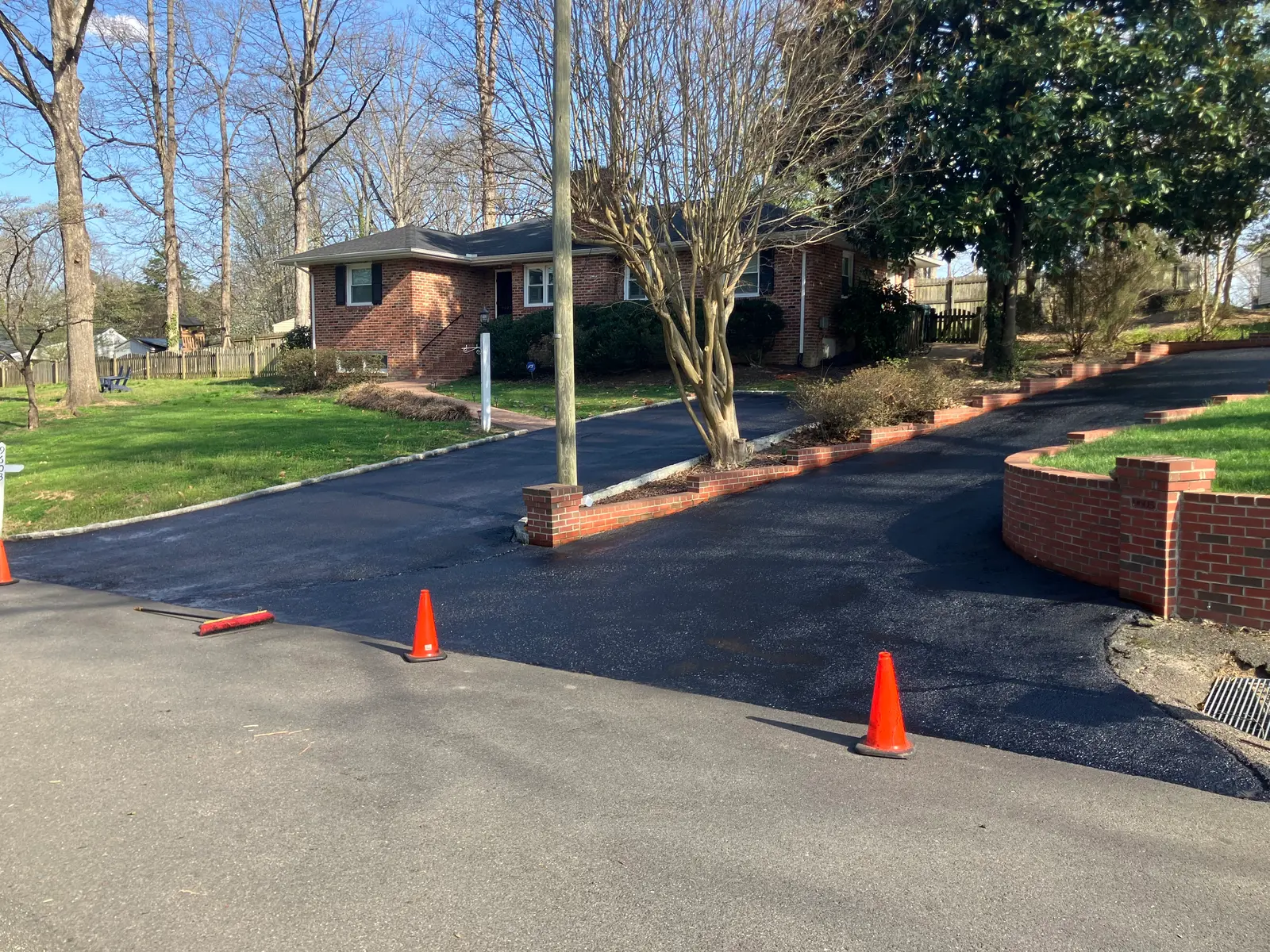
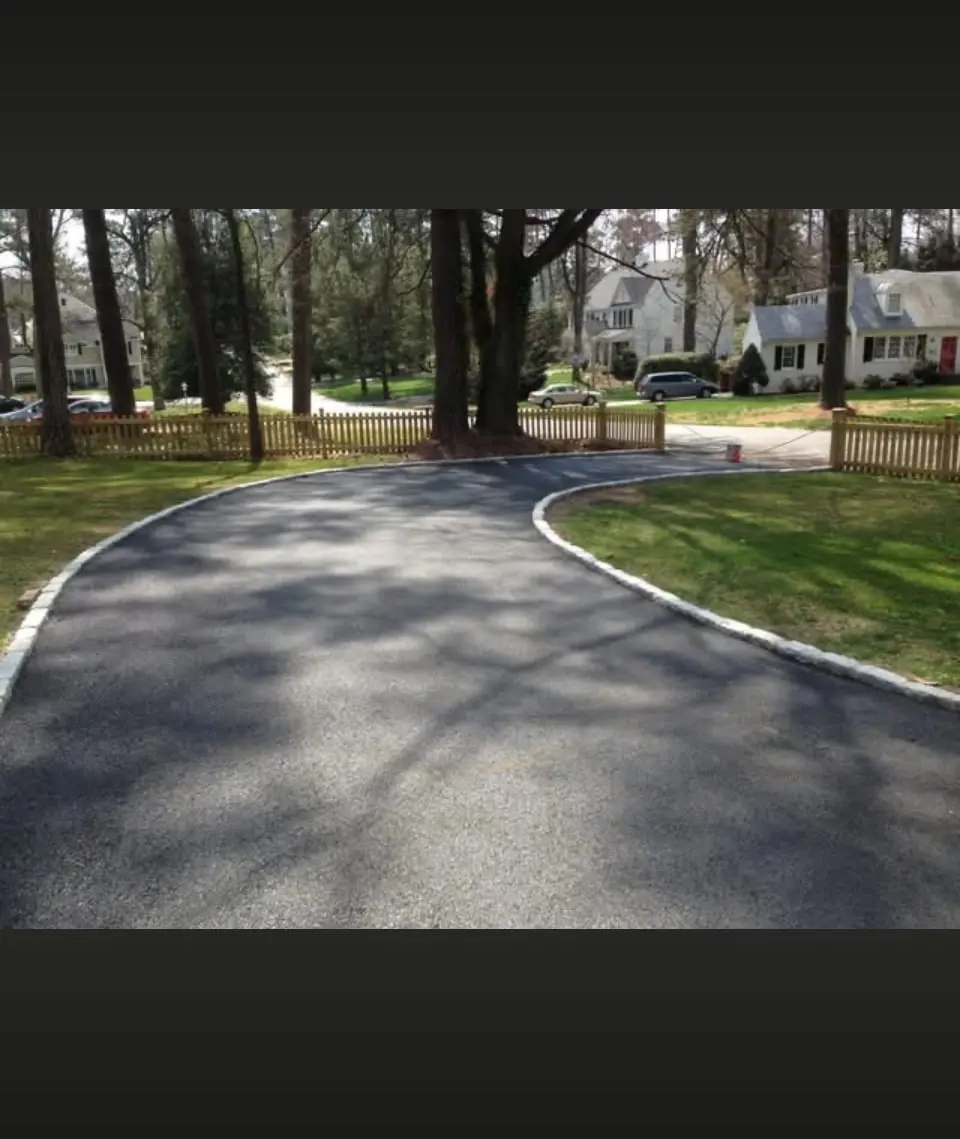
How thick should a tar and chip surface be?
A typical finished tar and chip system is about 1 to 1.5 inches depending on site conditions, traffic load, and aggregate selection. We confirm final spec after site review.

Tar And Chip Division
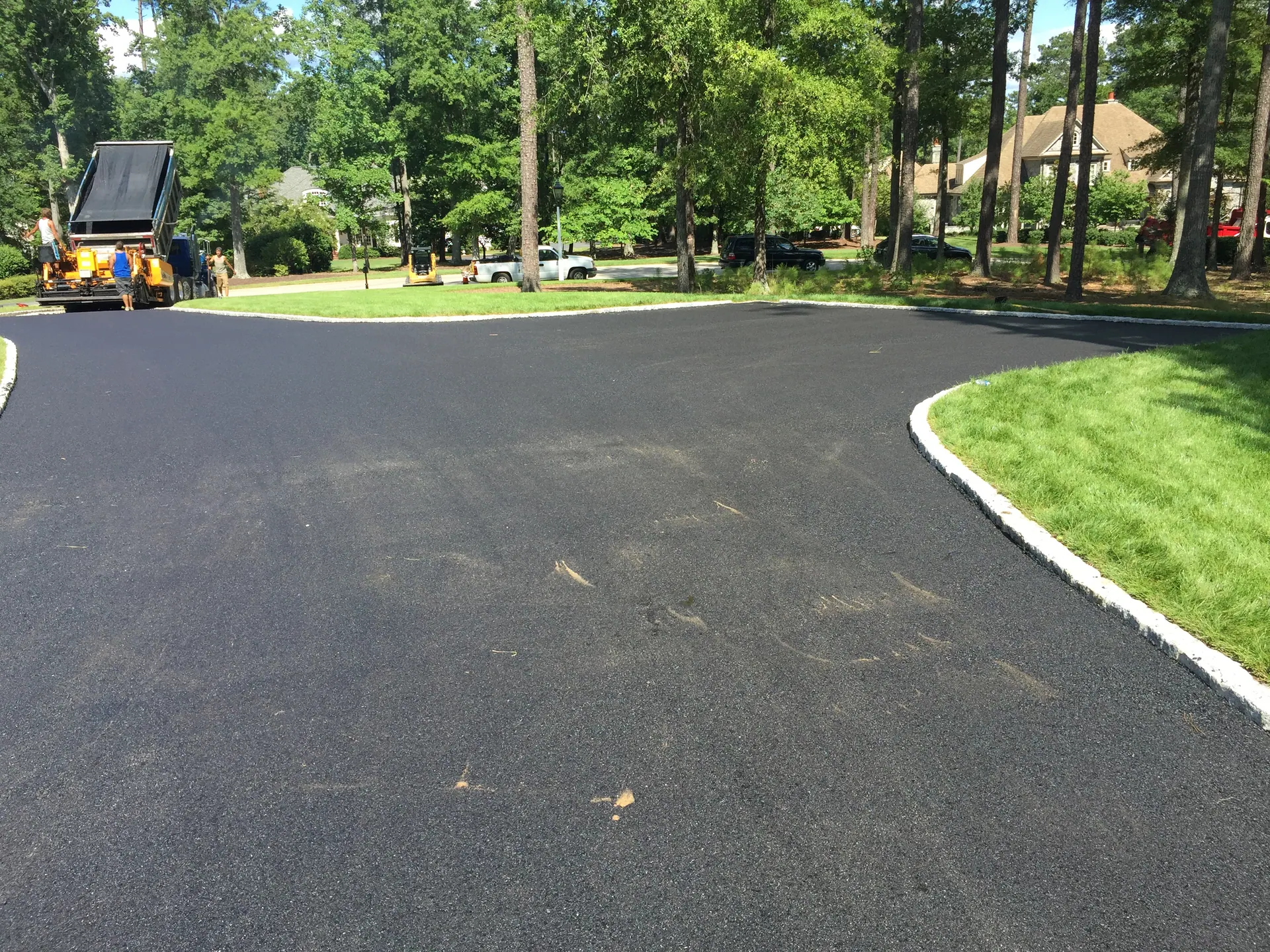
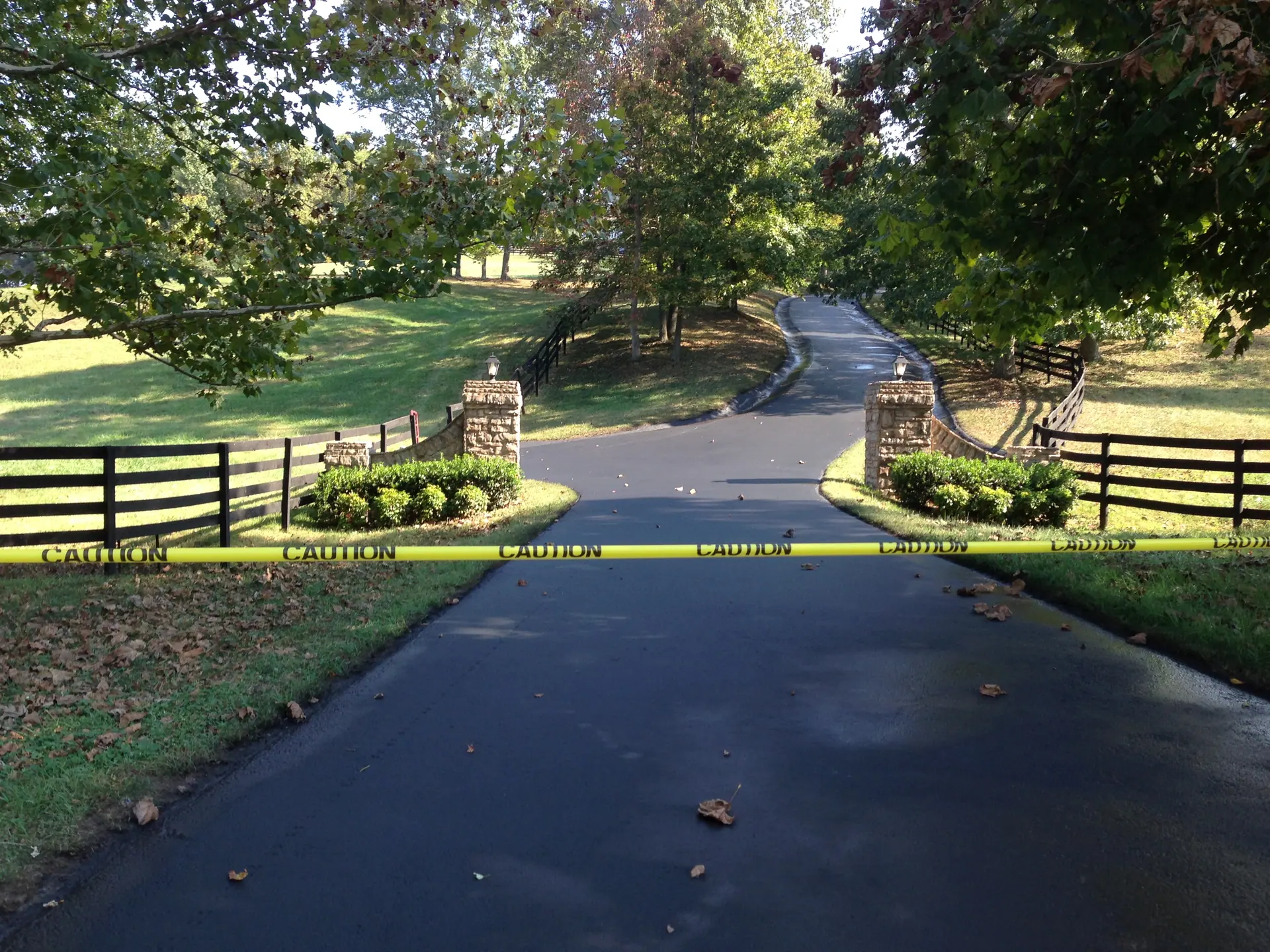
Get durable, traction-focused surfaces with a cost-effective paving system designed for residential and light-commercial properties.
Prepare and grade the base for proper drainage and long-term stability
Apply a hot liquid asphalt binder layer at controlled coverage rates
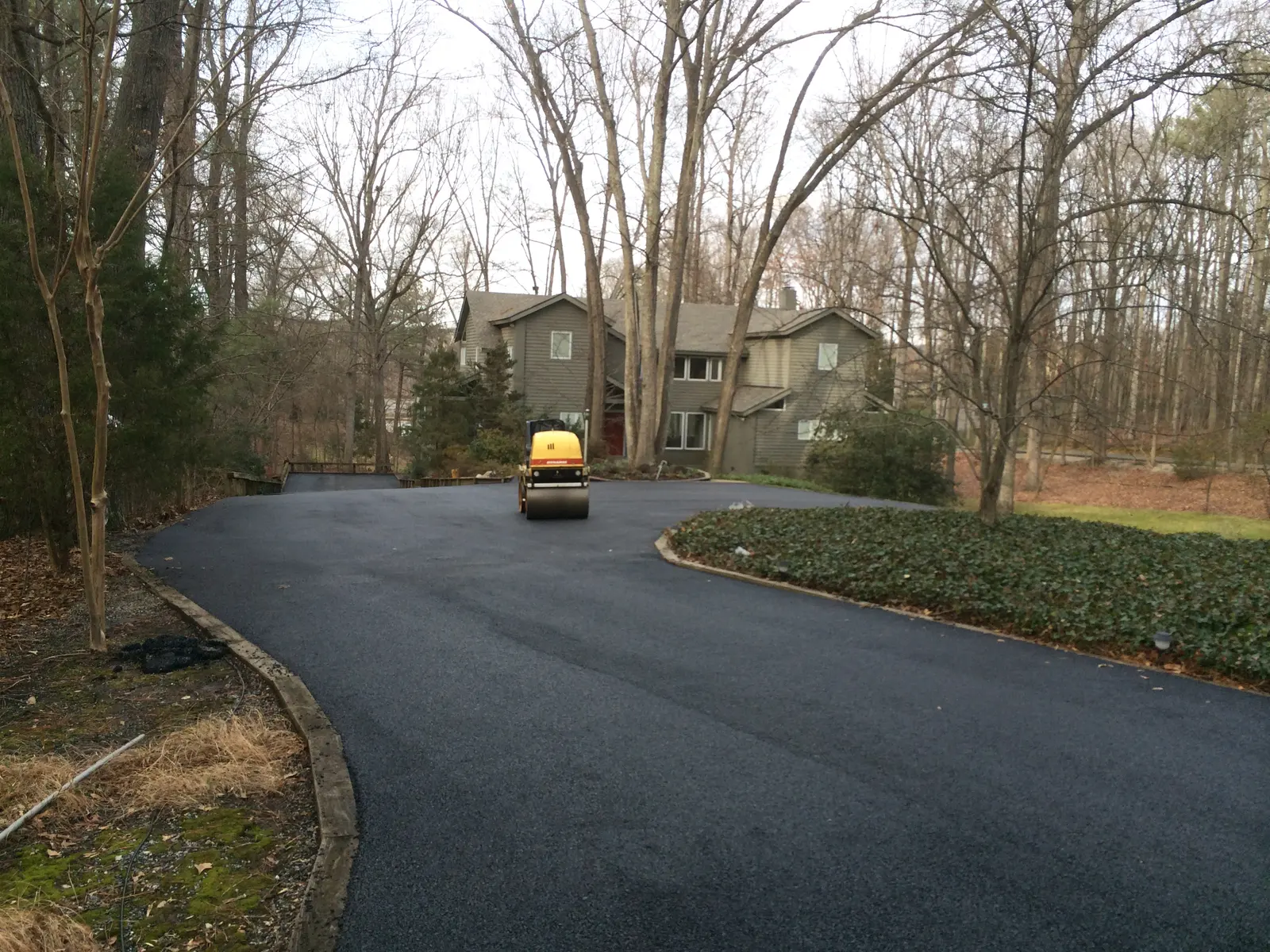
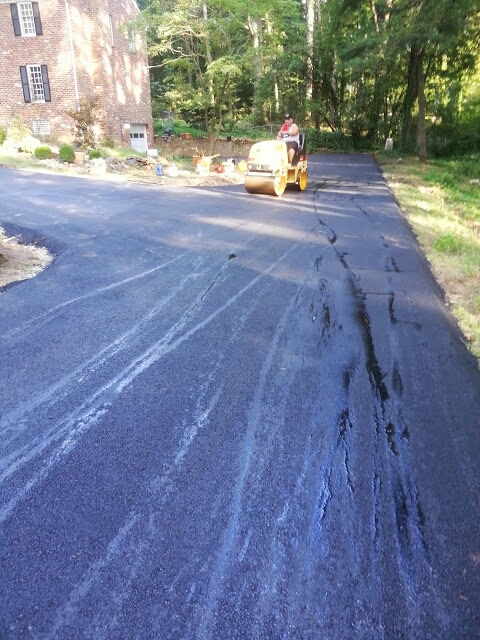
Broadcast clean aggregate chips and roll for tight stone embedment
Sweep and finish the surface for traction, curb appeal, and durability
Lower upfront cost than full asphalt paving for many projects
Excellent traction for driveways, private roads, and sloped surfaces
Natural stone texture and color options for a custom look
Strong weather performance with practical maintenance cycles
Great fit for rural properties, long lanes, and low-to-moderate traffic routes
Common Questions
A typical finished tar and chip system is about 1 to 1.5 inches depending on site conditions, traffic load, and aggregate selection. We confirm final spec after site review.
Yes. Tar and chip works well for residential driveways, private lanes, and many parking areas where owners want traction, durability, and value.
With proper prep, drainage, and maintenance, tar and chip surfaces can provide long service life and strong performance in Virginia weather conditions.
Yes. Chip and tar is often a strong solution for rural driveways, farm lanes, private roads, and in-between corridor properties where traction and value are priorities.
Mountain weather swings, freeze-thaw cycling, and rural route traffic patterns make traction and surface preservation critical. Chip-and-tar systems plus regular sealcoating can improve durability and reduce lifecycle repair costs in I-81 markets.
Coastal Service Areas
We support coastal properties where traction, drainage, and weather durability are critical.
Rural Coverage
Rural properties between major cities often need long driveway runs, private lanes, and budget-aware surface systems. Chip and tar provides traction, practical durability, and lifecycle value for these in-between service areas.
I-81 Corridor Focus
In Roanoke, Harrisonburg, and nearby I-81 corridors, traction and preservation matter more due to mountain weather, freeze-thaw movement, and mixed rural traffic loads. We prioritize chip-and-tar suitability and sealcoating cadence as part of long-life planning.
Next Step
We will review your property and confirm the best chip size, binder strategy, and surface design for your goals.