Asphalt
Crack Repair
in Virginia.
Virginia's freeze-thaw cycles and clay soils turn a $400 crack into a $4,000 pothole in one winter season. We seal it right — with industrial hot-pour rubber that actually lasts — not hardware store cold-fill.
The Virginia Cost Reality
Based on Richmond VA metro market pricing, May 2026.
Know Your Crack Type.
Know Your Fix.
Virginia's climate creates specific failure patterns. Our crews diagnose the root cause — not just the symptom — before we quote the fix.
Alligator / Fatigue Cracking
CriticalRoot Cause
Virginia clay base failure. Water saturates the subbase, freezes in winter, and destroys the structural layer. Common on older Chesterfield and Henrico subdivisions.
Our Fix
Full-depth reclamation of the failure zone. Patches alone will not hold — the base must be stabilized.
Longitudinal Cracking
ModerateRoot Cause
Virginia's hot summers cause asphalt to expand and contract at seams. Poorly compacted paving joints, common in rushed commercial projects, fail first.
Our Fix
Hot-pour rubberized crack sealing at 400°F — permanently bonds to the pavement, preventing water infiltration.
Edge Cracking
ModerateRoot Cause
Lack of lateral support at driveway and parking lot edges. Tree roots, soil erosion, and missing curbing let the asphalt edge break away.
Our Fix
Edge repair with new asphalt extension or curbing + hot-pour sealing of existing cracks.
Reflective / Block Cracking
HighRoot Cause
Slab-on-grade overlay failure — cracks from the old surface telegraph through the new layer. Common on older Richmond commercial lots with poor overlay specs.
Our Fix
Interlayer geotextile fabric + proper depth overlay. Must address the root cause, not just the surface.
Transverse Cracking
Low-ModerateRoot Cause
Thermal shock from Richmond's freeze-thaw cycles. Asphalt contracts in cold and surface tension fails perpendicular to the paving direction.
Our Fix
Hot-pour rubberized sealant applied in autumn before ground freeze to prevent water intrusion over winter.
Pothole Formation
UrgentRoot Cause
End-stage failure. Water enters cracks, freezes, expands, and blows out the asphalt layer. Untreated potholes in Virginia grow 3–5x in one winter season.
Our Fix
Hot-mix infrared repair or cold-pour patching for emergency response, then full surface evaluation.
Virginia Crack Repair FAQs.
When is crack sealing enough vs. when do I need full replacement?
If less than 25% of the surface shows distress and the base is structurally sound, crack sealing + sealcoating extends life 5–8 years. When you see alligatoring over large areas or potholes forming, the base is failing and resurfacing or full replacement is required. We assess and give you a written recommendation.
What's the best time of year to seal cracks in Virginia?
Spring (April–May) or early fall (September–October). Surface temperature must be above 50°F and rising. Avoid sealing in summer heat (above 90°F) when asphalt is already expanded — the sealant won't bond correctly.
Does crack repair prevent pothole formation?
Yes — 100% of potholes begin as unsealed cracks. Water enters, freezes, and the expansion destroys the asphalt from within. A $500 crack sealing job prevents a $3,000+ pothole repair in most cases.
What do you use for crack sealing in Virginia?
We use 400°F hot-pour rubberized crack filler — a rubberized asphalt compound that permanently bonds, flexes with temperature changes, and seals out moisture. We do not use cold-pour materials for any permanent repair.
Virginia's Freeze-Thaw Cycle Turns Every Crack Into An Emergency.
Richmond averages 35–45 freeze-thaw cycles per winter — more than most northern cities because Virginia's temperature swings back and forth through the 32°F threshold repeatedly through December, January, and February rather than staying frozen. Each cycle pumps water into the crack, freezes it, expands the gap, and leaves a wider entry point for the next cycle. A quarter-inch surface crack becomes a half-inch structural crack in a single winter without treatment.
Virginia's clay subsoils compound the problem. When water penetrates a crack and reaches the aggregate base, the clay absorbs it and begins to migrate. The base loses density and the asphalt above loses support — loading from vehicles then punches through the weakened zone and creates the alligator cracking and pothole formation that requires full-depth replacement rather than surface treatment.
The intervention window is real and it matters. A sealed crack in October costs $300–$800. That same crack left through winter costs $800–$2,500 to patch as a pothole. If the base fails, you're looking at $3–$6 per square foot for full-depth resurfacing. The math is straightforward — seal it now.
After crack sealing, the most cost-effective next step is a scheduled sealcoating program to block UV oxidation and surface water infiltration. A properly maintained driveway or parking lot that gets crack sealing and sealcoating on schedule rarely needs full replacement before 20–25 years.
Our Crack Sealing Process
- 1.Surface evaluation — classify crack type and severity
- 2.Router or saw-cut to create clean uniform walls (if needed)
- 3.Air-blow and clean the crack channel — remove all debris
- 4.Apply 400°F hot-pour rubberized sealant to manufacturer spec
- 5.Level and dress — no raised bead that collects water
- 6.Document with photos and provide written maintenance plan
Related Services
See a Crack? Call Today.
Every week you wait, Virginia's weather does the work for us — and against you. Emergency same-day response in Chesterfield, Henrico, Richmond City, and all surrounding metro areas.
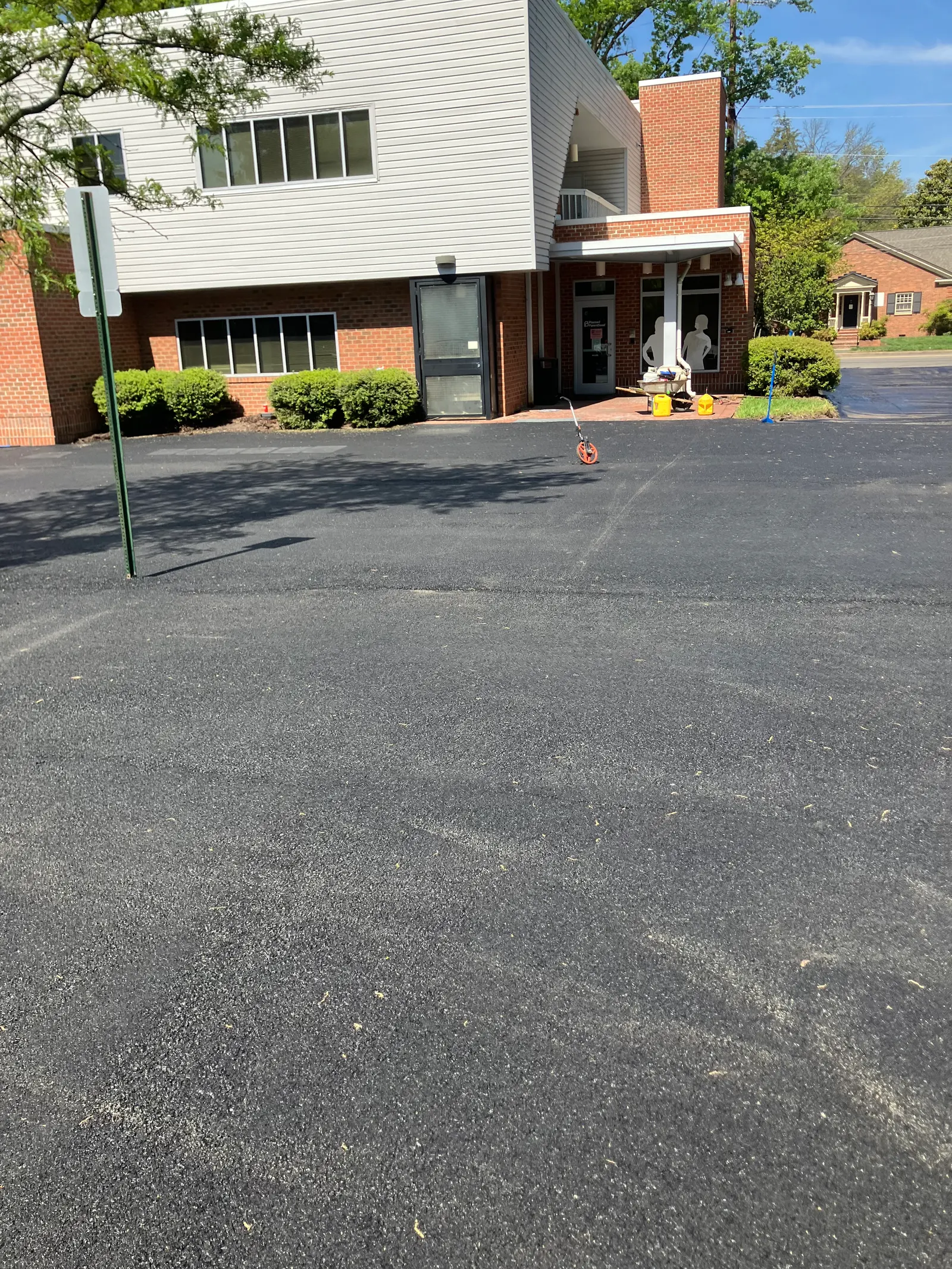
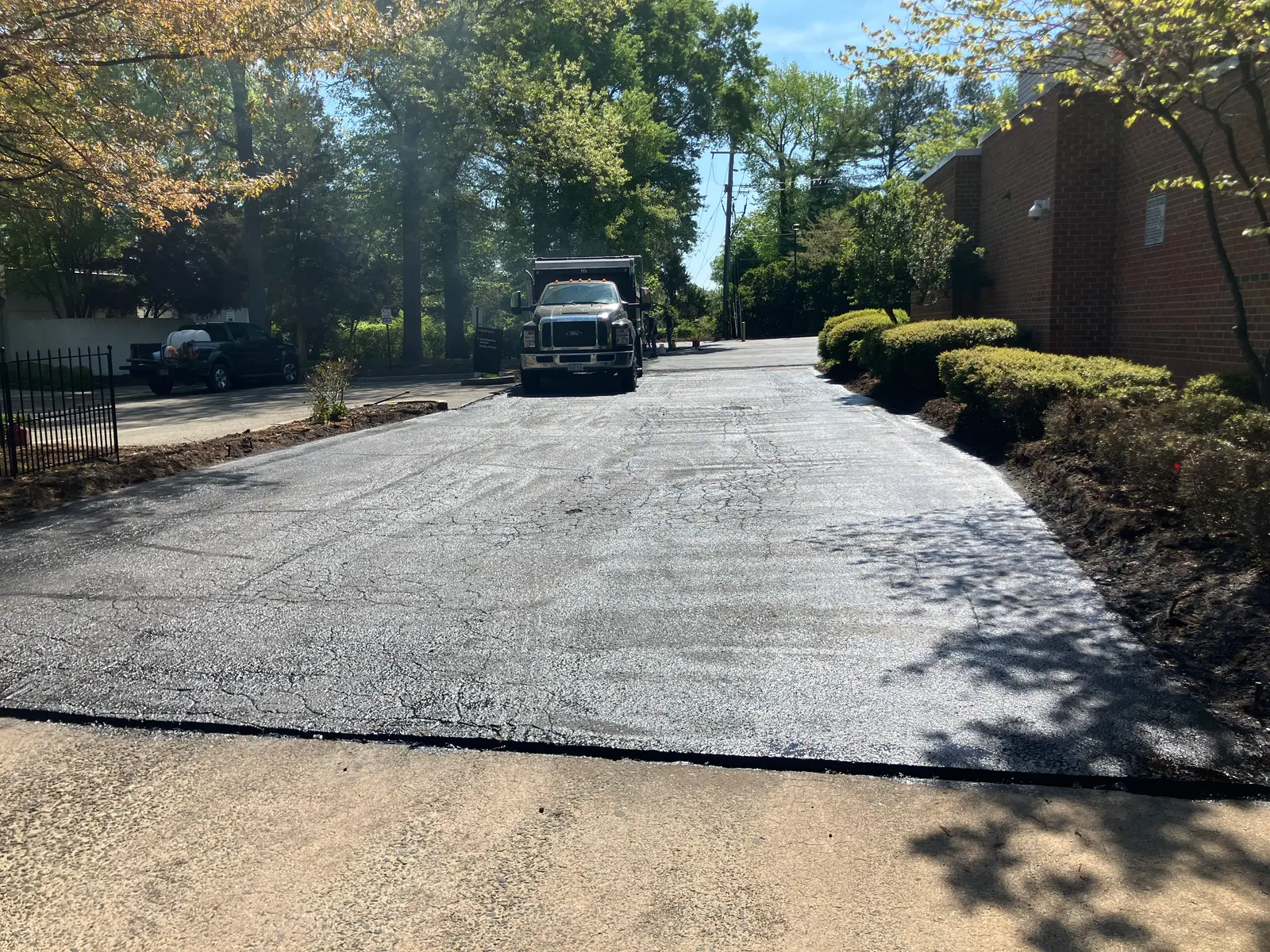
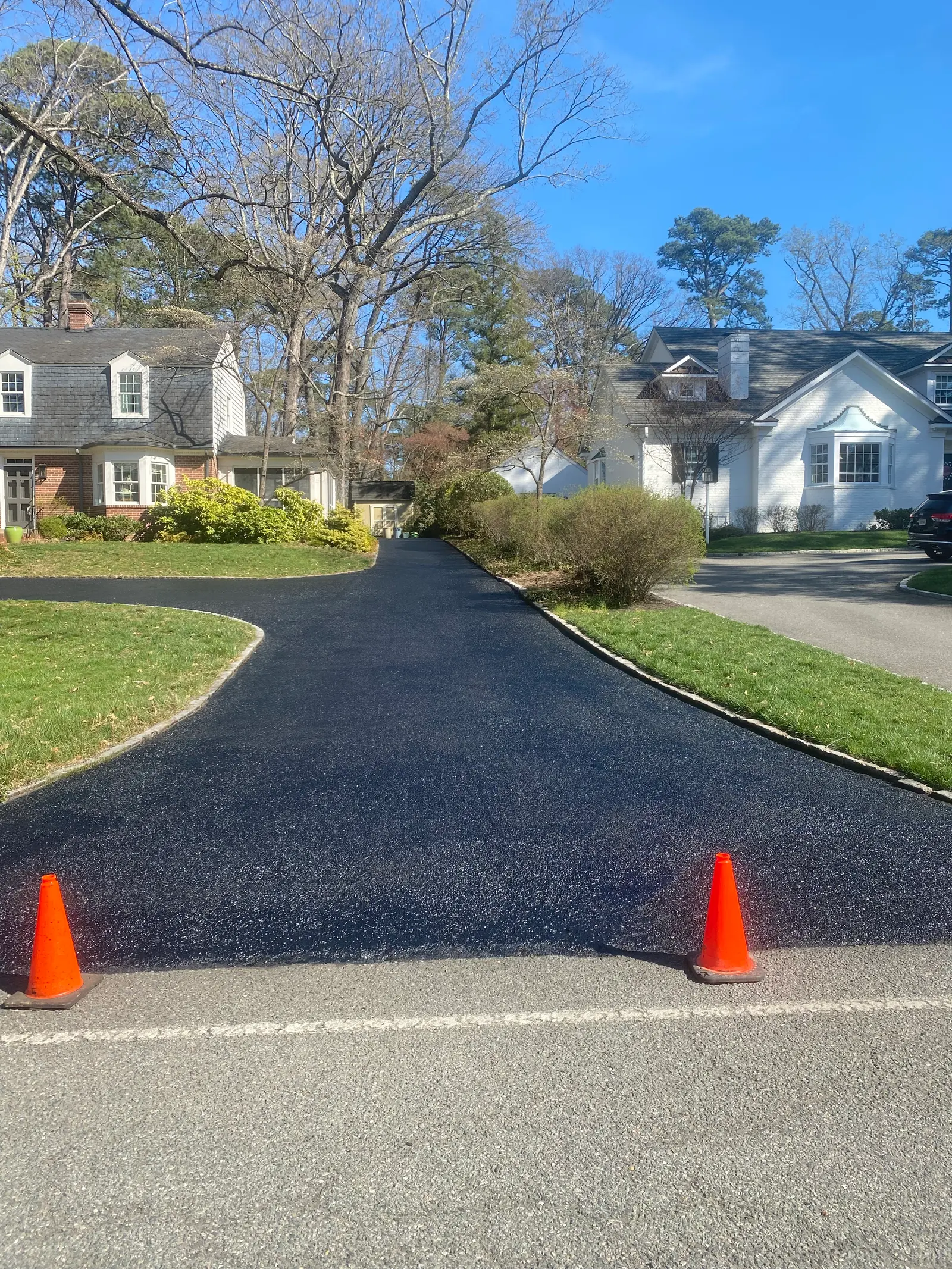
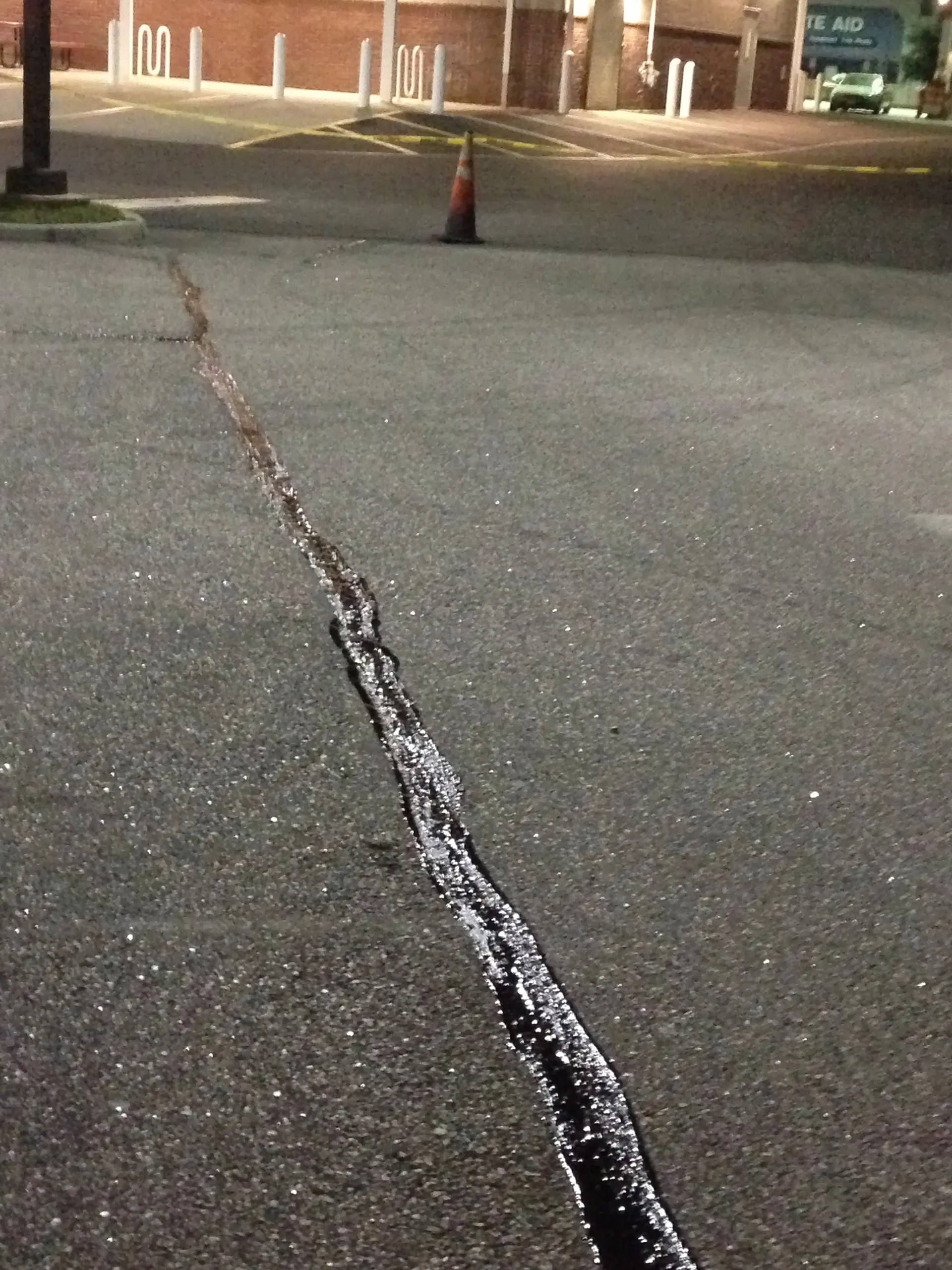
Crack seal and surface work
Including the night shifts after centers close.
Get a Crack Repair Estimate
Send a photograph of the worst of it. Crack repair is the cheapest work we do and the only work that stops the expensive kind, so we will tell you honestly if it is already too late for it.